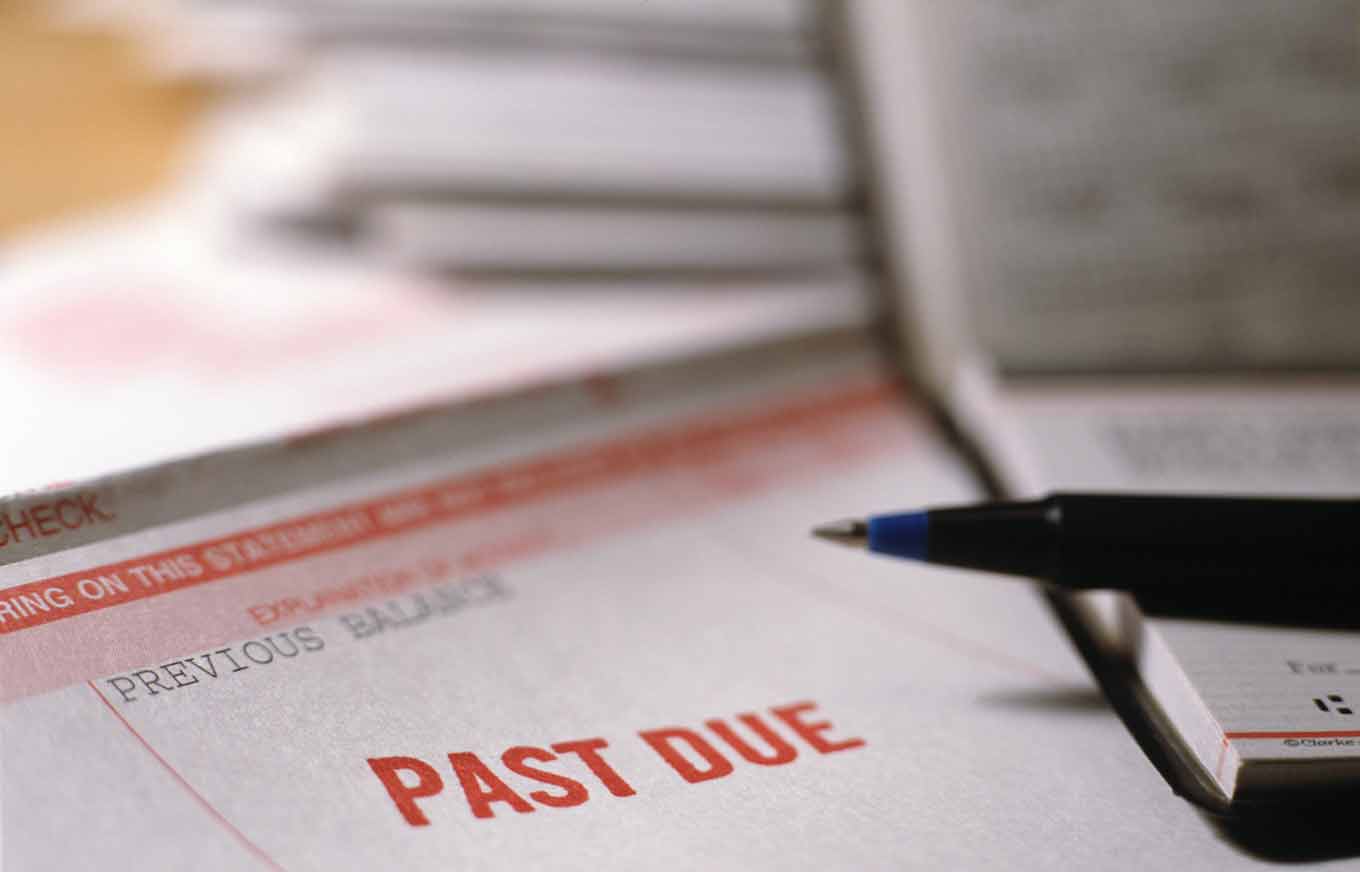
You open your statement and discover you’re late on your credit card payment. Or you get a call from a collection agency about a medical bill you forgot to pay. Or you check your credit reports and discover a late payment is marring your otherwise perfect payment history.
What happens if you miss a credit card payment? How do late payments affect your credit scores? Of course, as with so many things related to credit scores, the answer is, “It depends.”
Hope for the Best
Late payments and good credit scores go together like toothpaste and orange juice—they don’t mix. But just how bad is it to miss a single payment?
First, it depends on how many days late your payment is. If you missed your credit card payment by one day, you probably don’t need to sweat it.
If you’re lucky, the lender won’t report the lapse. “Most lenders do not report missed payments until the account is 30-plus days past due,” says Anthony Sprauve, PR director for MyFico.com.
“Suppose a given credit card payment is due on May 15 [and you pay on] May 25. Technically, the payment is late, and fees and interest charges may apply. But in most cases, this late payment would not be reported by the creditor to the credit reporting agencies [CRAs].”
Or perhaps your lender may overlook the transgression. Steve Ely, president of eCredable.com, adds, “The larger creditors [like credit card companies] usually have sophisticated analytic models working behind the scenes that take into account your history of payments. If you’ve been paying on time for a long time, they’re likely to forgive your one late payment and let it slide.”
But Brace for the Worst
What if you don’t luck out and the creditor reports the late payment? Here are three questions that will help you understand the possible impact, according to Barry Paperno, community director for Credit.com:
How long ago did the most recent late payment occur?
How severe were the late payments (30 days, 60 days, charged off, etc.)?
How many accounts on the credit report have had late payments?
“Of these three questions, the one typically having the most impact on your credit score is the first: recency,” says Paperno. “To illustrate, if a single late credit payment occurred a few years ago and all payments on all accounts have been made on time since, that single late payment will have little negative impact on your score.”
How Bad Can It Get?
To put the potential consequences in perspective, Paperno points to a study about credit scoring effects conducted by FICO that points to a scary possibility. “[A] recent late payment can cause as much as a 90- to 110-point drop on a FICO score of 780 or higher.”
Although score drops from late payments tend to rise again over time, these credit dings can remain on your credit report for seven years, according to Paperno. You can expect the effects to last for much of that time.
Sprauve also explains that the impact of a missed credit card payment or late bill on your FICO credit score varies significantly depending upon the individual consumer’s circumstances. He details some of the factors that can help determine how much a late payment will hurt your scores:
Any history of account delinquencies or collection references (on any account)
Any adverse legal items on your credit report
The outstanding balance on the delinquent account
The number of other accounts on the file that you’ve currently paid as agreed
The length of your credit history
The Bigger They Are, the Harder They Fall
The irony is, the better your credit, the more you may feel the sting. One slipup and your credit score may take a dive—even if you have otherwise stellar credit.
“The old [adage] of ‘the bigger they are, the harder they fall’ applies to credit scores too,” warns Ely. “If you have a really high FICO Score, you’ll take a bigger hit for a late payment than someone with a lower FICO Score.”
The best defense is to be meticulous about paying your bills by the due date. But if you do mess up, see if you can’t convince the lender or collector to remove the ding from your reports. While they may balk at first, you may be able to persuade them to change their mind if you have a good explanation—and they believe you when say it won’t happen again.
What You Can Do
If you’re concerned about how late payments could be damaging your credit, you can check your three credit reports for free once a year from each of the reporting agencies. To track your credit more regularly, Credit.com’s free Credit Report Card is an easy-to-understand breakdown of your credit report information that uses letter grades—plus you get two free credit scores updated every 14 days.
Tips to Make Sure You Don’t Miss Payments
If you want to find ways to help avoid making late payments or missing them altogether, here are a few tips and tricks to keep in mind:
Sign up for Auto Pay
Auto pay can be extremely beneficial for those that find themselves forgetting to make their bill payments on time. Auto pay is simply when you authorize the credit issuer or lenders to automatically deduct your monthly payment amount directly from your checking account on the due date.
Even with auto pay, it is still recommended that you pay more than just the minimum amount that is due on your credit accounts, so you can avoid pay higher interest rates because of the balances you may carry from month to month. Doing so will also positively affect your credit standing.
A downfall to auto pay, however, is that you have to be sure that you have the funds available in your account prior to the date the funds are to be withdrawn. If you don’t have enough to cover the payment, then you may experience fees in addition to the missed monthly payment.
Set Up Reminders
Another way you can effectively pay your bills on time to help you credit history and credit scores is to set up payment reminders instead of relying on your memory.
Calendar and online reminders on a phone or other mobile device are probably the most popular ways to keep track of what you have to pay and when it needs to be paid. You can also ask the creditor to provide you with online alerts when your payments are coming due.
Weekly Payments
While most account payments are due once per month, it may be in your best interest to instead pay weekly on the account. By doing so, you may find that it is easier to control your overall balances and it will help you pay everything off a bit faster.
However, if you cannot afford to make payments weekly, then you should instead consider one of the other options we have already mentioned.
How Much Will One Late Payment Hurt Your Credit Scores?
![How Much Will One Late Payment Hurt Your Credit Scores?]() Reviewed by Your Edu
on
July 28, 2018
Rating:
Reviewed by Your Edu
on
July 28, 2018
Rating:
No comments: